
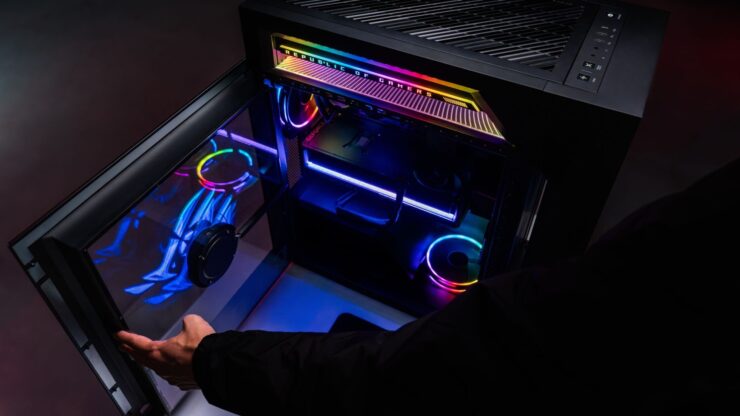
The conversation around prebuilt gaming PCs has shifted significantly over the past few years.
What was once dismissed in enthusiast communities as an overpriced compromise has become a genuinely competitive option for a wide range of buyers, as specialist builders have improved component selection, assembly quality, and pricing to the point where the case for building your own is less clear-cut than it once was.
Understanding what prebuilt gaming PCs offer, where they make the most sense, and how to evaluate them properly helps you make the decision that actually fits your situation.
The Case for Prebuilt Has Strengthened
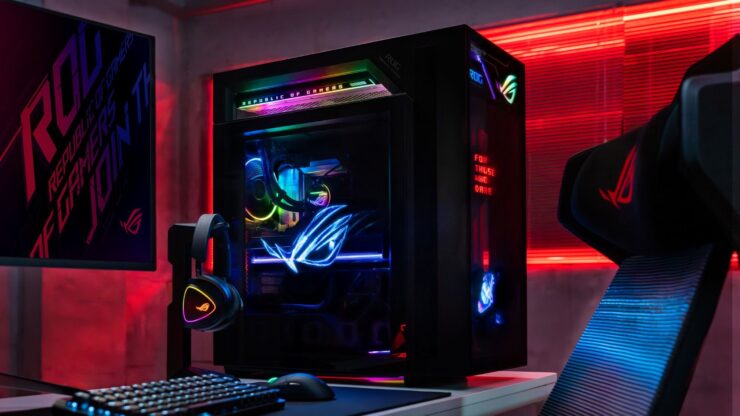
Several factors have converged to make prebuilt gaming PCs more competitive than they were five years ago. Component pricing volatility, particularly in the GPU market, has at times made individual GPU prices higher on the retail market than the same GPU costs as part of a prebuilt system, eliminating the cost advantage of self-building for those periods.
Assembly and compatibility expertise from specialist builders means that component pairing decisions, which require real knowledge to get right, are handled by people who build these systems every day.
The time cost of self-building is also real and often underestimated. Researching components, verifying compatibility across the full system, sourcing each part, assembling the machine, installing the operating system, troubleshooting any issues that arise, and then supporting the system when problems occur over its lifetime represents a significant investment of time and effort.
For buyers whose time has value and who would rather spend it gaming than building, the prebuilt option eliminates all of those steps for a cost that is often reasonable relative to the time saved.
What to Look for in a Prebuilt Gaming PC
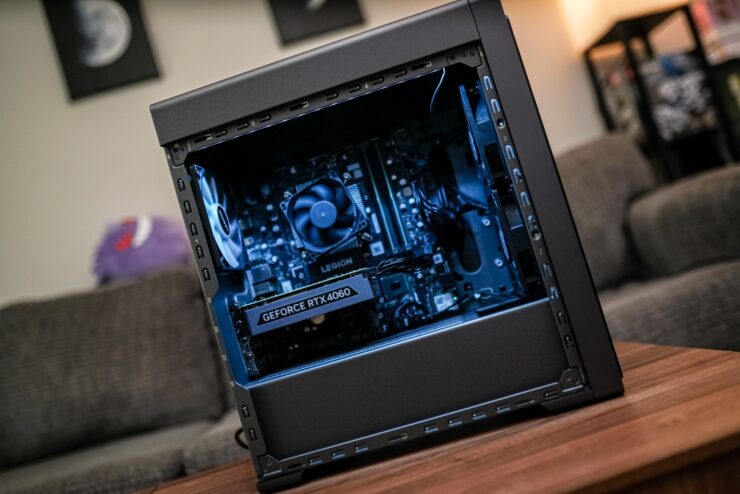
Not all prebuilt gaming PCs are created equal, and the evaluation criteria that matter for a prebuilt are somewhat different from those that apply to a self-build.
The GPU is still the most important component and should receive the most scrutiny, but the quality of the system integration, the warranty terms, and the upgrade path of the case and platform matter in ways that individual component buyers do not need to consider.
The GPU tier should match the resolution and refresh rate of the display being paired with the system. A prebuilt with a high-end GPU at 1080p is spending money on performance the display cannot use.
One with an entry-level GPU paired with a 1440p display will struggle with demanding titles at that resolution. Matching the GPU tier to the actual use case is the most important evaluation criterion regardless of the other components in the system.
Confirming that the case has adequate cooling for the components inside is worth doing, because some prebuilt systems at lower price points use cases with restrictive airflow that limits thermal performance under sustained load. A system that throttles under sustained gaming is not delivering the performance its component list suggests.
iBuyPower’s Prebuilt Range and What It Covers
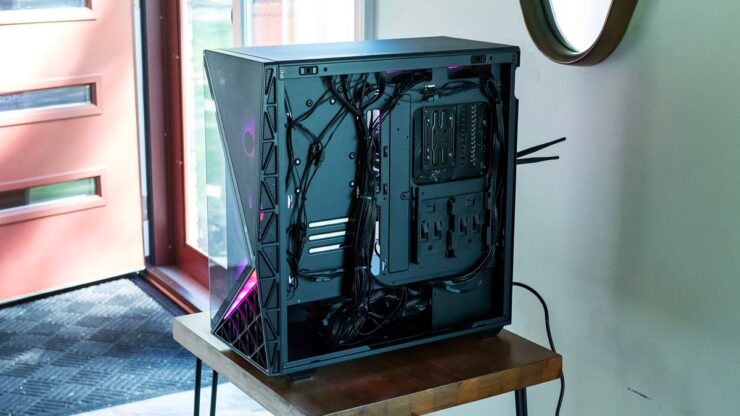
iBuyPower’s prebuilt gaming pc lineup covers the full performance spectrum from entry-level systems designed for 1080p gaming through high-end configurations built for 4K and competitive high refresh rate gaming.
Each system is assembled and tested before shipping, with whole-machine warranty coverage that addresses issues across all components rather than requiring the owner to identify which component is at fault and deal with each manufacturer separately.
The range includes systems at different price tiers built around current generation GPUs from both Nvidia and AMD, paired with appropriately matched CPUs, memory, and storage configurations.
The advantage of buying from a specialist builder like iBuyPower rather than a general electronics retailer is the depth of gaming-specific knowledge that goes into component selection and system configuration, which produces builds that perform as their specifications suggest rather than being bottlenecked by mismatched components or inadequate cooling.
Upgrade Path Matters More for Prebuilts
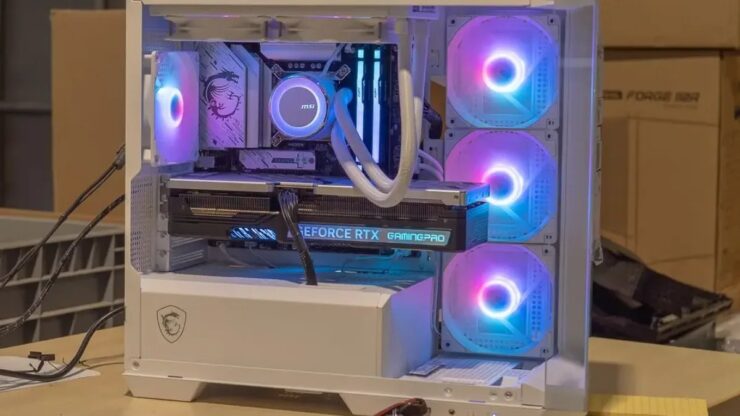
One consideration that prebuilt buyers should think through that self-builders naturally address during the build process is the upgrade path of the system over its life.
A prebuilt in a compact case with a proprietary power supply and limited expansion slots may be difficult to upgrade meaningfully when the GPU becomes the performance bottleneck in two or three years.
A prebuilt in a standard mid-tower case with an ATX motherboard and a quality modular power supply with headroom above current system requirements can be upgraded with a new GPU or additional storage without replacing the entire system.
Checking the case form factor, the power supply wattage and whether it is modular, the available PCIe slots, and the storage expansion options in the system specification gives a clear picture of how upgradeable the system is before you buy, which affects its total value over the ownership period rather than just at the point of purchase.
Post-Purchase Support and Warranty
The warranty terms of a prebuilt gaming PC are a meaningful part of its value proposition that often receives less attention than the component list. Understanding what the warranty covers, how long it lasts, whether it covers labour as well as parts, and how the support process works when something goes wrong gives you an accurate picture of what you are buying beyond the hardware itself.
Specialist gaming PC builders whose primary business is gaming PCs have stronger incentives to provide effective post-purchase support than general electronics retailers for whom gaming PCs are one product category among hundreds. The quality of that support is worth factoring into the comparison between prebuilt options at similar price points.