
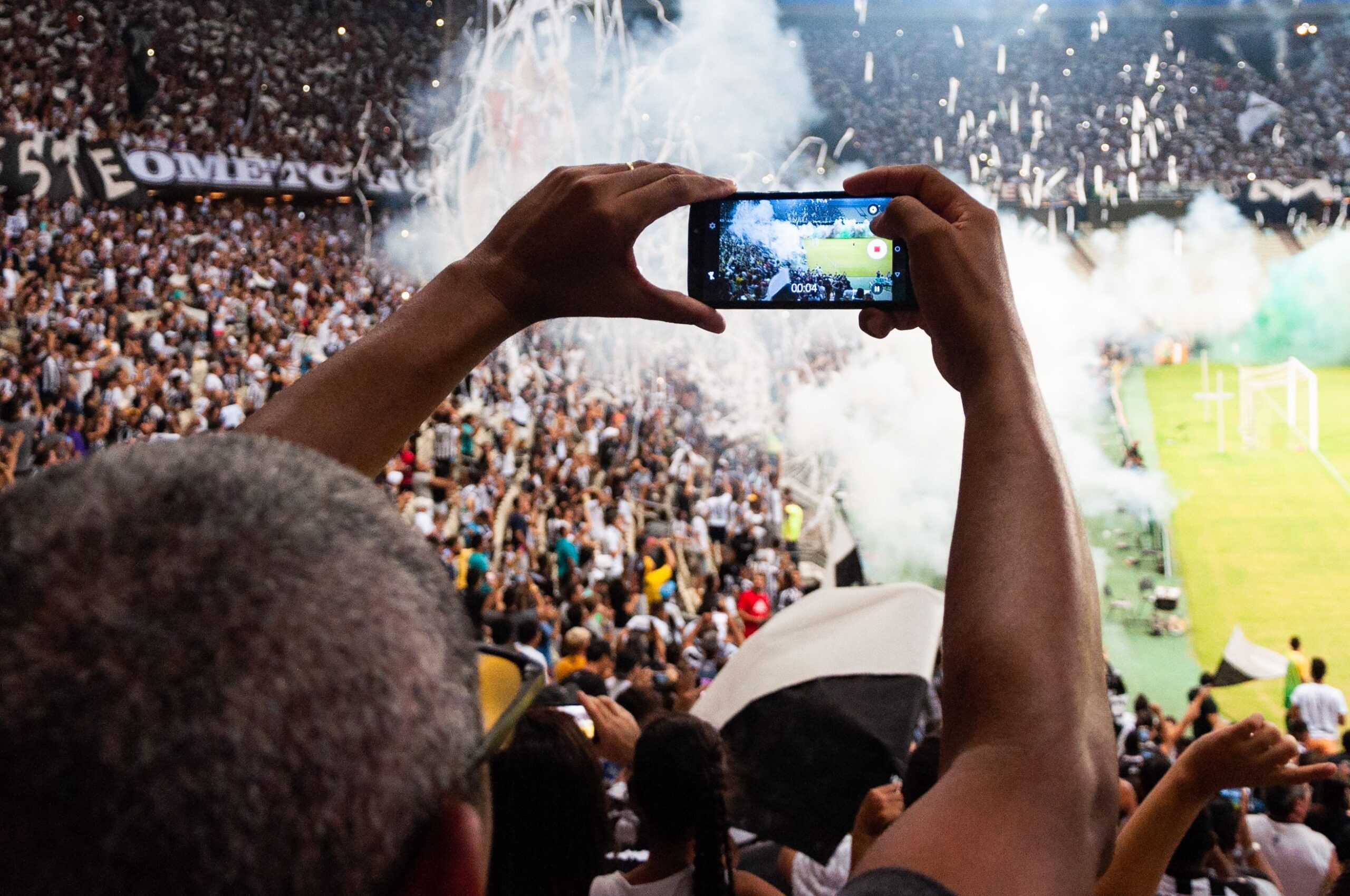
Watch a football match with a few friends and you’ll probably notice that the television isn’t getting everyone’s full attention. Someone is checking the starting lineups, another wants to see the possession figures, and somebody has just discovered that a rival team is losing in another match. The phones tend to disappear when something exciting happens, only to come out again a few minutes later.
It’s become a familiar part of watching football. The television still provides the match itself, but a smartphone offers access to everything happening around it. Supporters can follow other fixtures, look up unfamiliar players, check statistics or join conversations with friends who are watching from somewhere else. What used to involve waiting for the commentator to mention something now takes a few seconds.
Keeping up with more than one match

A busy football weekend can have several interesting fixtures taking place at the same time. Watching one doesn’t necessarily mean you want to miss everything happening in the others, particularly when the results could affect your team’s position in the league.
Sports apps make it easy to move between fixtures and follow live scores without changing the television channel. Some supporters also enjoy exploring betting markets, and services such as the betway app bring football fixtures, available odds and sports betting options onto their phones. Betway’s site and app also covers other sports, giving customers access to different competitions through the same mobile service.
The attraction is partly convenience. A Liverpool supporter watching an important home match might also want to know how Arsenal or Manchester City are getting on. Rather than switching channels or waiting for the half-time results, they can check the latest scores while the television stays on their own team.
The same applies during European competitions, when several matches can begin at exactly the same time. A phone makes it possible to follow the wider tournament without missing much of the game on television.
Statistics give fans something else to discuss
Football fans have always argued about which team is playing better, but the numbers are much easier to find now. Possession, shots on target, passing accuracy and expected goals are available through football websites and mobile apps, often while the match is still underway.
Those figures become particularly interesting when the score doesn’t reflect what you’ve been watching. A team might have dominated possession without creating many chances, while its opponent has looked dangerous every time it attacks. Looking at the statistics can help explain why that is happening, although the figures rarely settle every argument.
The tech behind live statistics has developed considerably, with information collected and distributed quickly enough to appear on a phone shortly after an event happens. Supporters can now check details that were once mainly available to professional analysts and broadcasters.
A quick look at the numbers can also make an unfamiliar match easier to follow. If you’re watching two clubs you don’t know particularly well, checking their recent performances and individual player statistics can provide useful background without needing to research the teams beforehand.
The conversation continues beyond the television
Football has always been a social experience, even when people watch at home. Group chats have simply given supporters another place to argue about refereeing decisions, questionable substitutions and missed opportunities.
A controversial penalty can produce dozens of messages before the replay has finished. Friends supporting different clubs exchange opinions throughout the match, and social media brings in reactions from journalists, former players and supporters around the world.
There is something familiar about the discussions, even if the technology is relatively new. Supporters used to argue with the people sitting beside them or call a friend after the final whistle. Now those conversations happen throughout the ninety minutes.
Half-time has become particularly busy. While television broadcasters analyse the first half, supporters are checking reactions, reading team news and discussing possible substitutions. Some will look at the statistics to see whether their impression of the match is supported by the figures.
Of course, a phone can also become a distraction. Anyone who has missed a goal because they were reading a long discussion about the referee knows that following football on two screens requires a little attention management.
Team news no longer has to wait for the broadcast

Starting lineups have become a major part of the build-up to football matches. Supporters want to know whether an injured striker has recovered, which young player has earned a start and whether the manager has changed the formation.
Mobile notifications often deliver that information as soon as the teams are announced. Instead of waiting for the television coverage to begin, supporters can examine the lineup, compare it with previous matches and start discussing the manager’s choices.
The same habit continues during the game. An unexpected substitution might send people searching for information about an unfamiliar academy player, while an injury can prompt questions about who might replace him in the next fixture.
Football websites and club applications have made these details easier to access. Many also provide interviews, training updates and post-match comments, allowing supporters to follow their clubs throughout the week rather than only on matchdays.
Mobile access has changed sports entertainment
The popularity of second-screen viewing has influenced sports betting and other forms of digital entertainment. Mobile services allow customers to browse sporting events, check available markets and manage their accounts without sitting at a computer.
For companies, that means presenting plenty of information on a relatively small screen. Fixtures, odds and account features need to be organised so customers can find what they’re looking for, particularly when several competitions are taking place simultaneously.
Mobile connections also introduce challenges that desktop websites don’t always face to the same degree. A supporter travelling by train might move between areas with strong and weak reception, while another could be checking the scores on an older smartphone. Good mobile design accounts for different screen sizes, loading speeds and network conditions.
These considerations matter across the wider sports industry. Broadcasters, football news websites and live-score services all have to make their information accessible to people who may only glance at their phones for a few seconds.
Football is still the main attraction
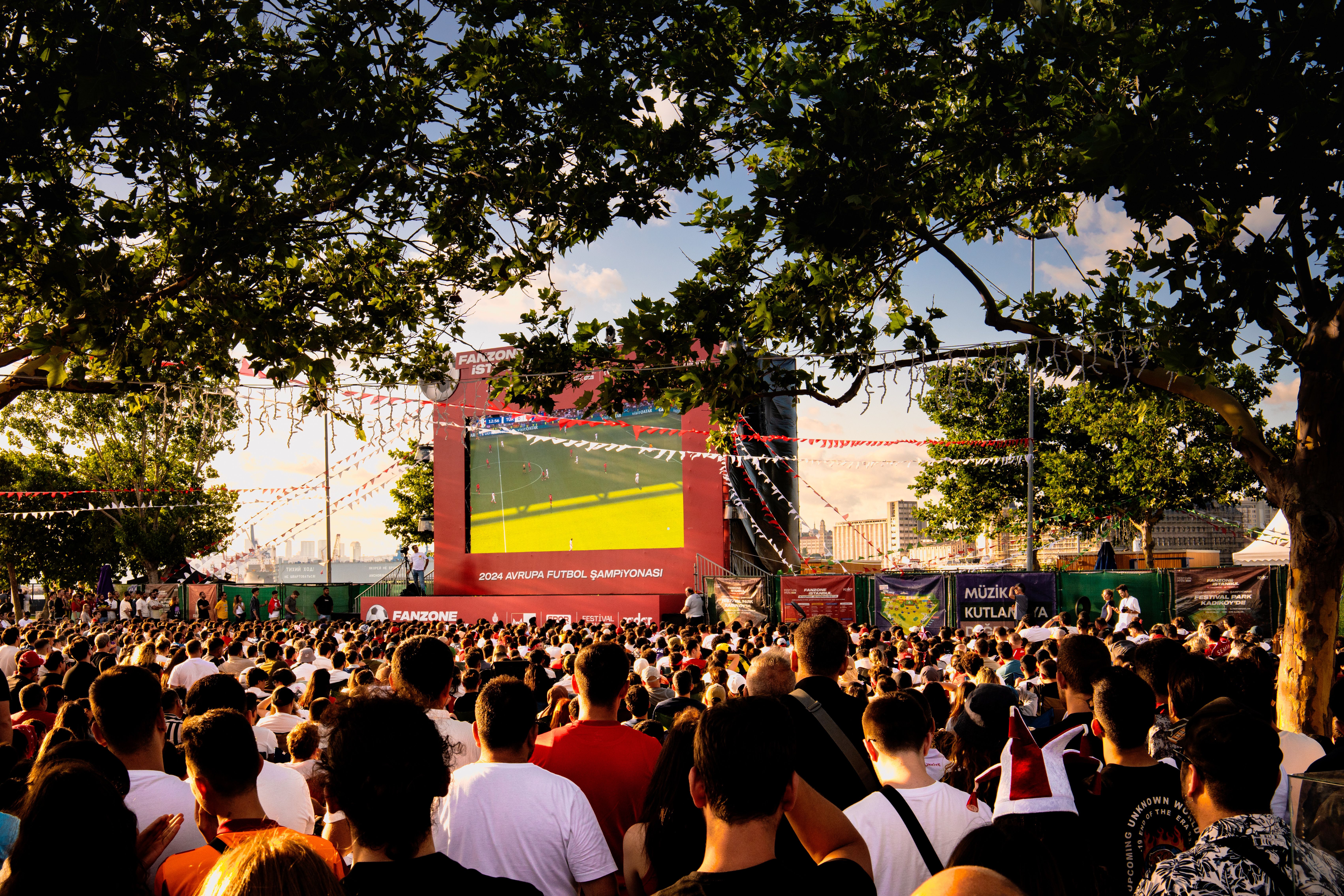
For all the information available on a second screen, the match itself remains the reason people gather around the television. A phone can tell you how many chances a striker has created, but it can’t replace the excitement of watching him score a spectacular goal.
The real change is that supporters no longer have to choose between watching a match and keeping up with everything else happening in football. They can follow other results, check the numbers behind a performance and talk to friends without leaving the living room.
There will always be moments when the phone gets forgotten on the sofa, especially during the closing minutes of a tight match. Once the final whistle blows, though, it’s usually back in someone’s hand as the arguments, reactions and discussion of the next fixture begin.